
Wastewater Management Built for Reliable Operation
Septic System Installation & Repair in Connelly Springs for properties where system failures cause backups or new construction requires compliant installations
A malfunctioning septic system causes sewage backups into the home, wet spots in the drain field where effluent surfaces instead of absorbing, and odors that indicate the system is not processing waste correctly. Boyd Property Solutions installs complete septic systems for new construction and replacement projects, and repairs existing systems where component failures or design problems prevent proper operation. Proper system design accounts for soil absorption rates, household size, and site topography to ensure wastewater processes completely before reaching groundwater, while correct placement prevents conflicts with wells, property lines, and future building locations.
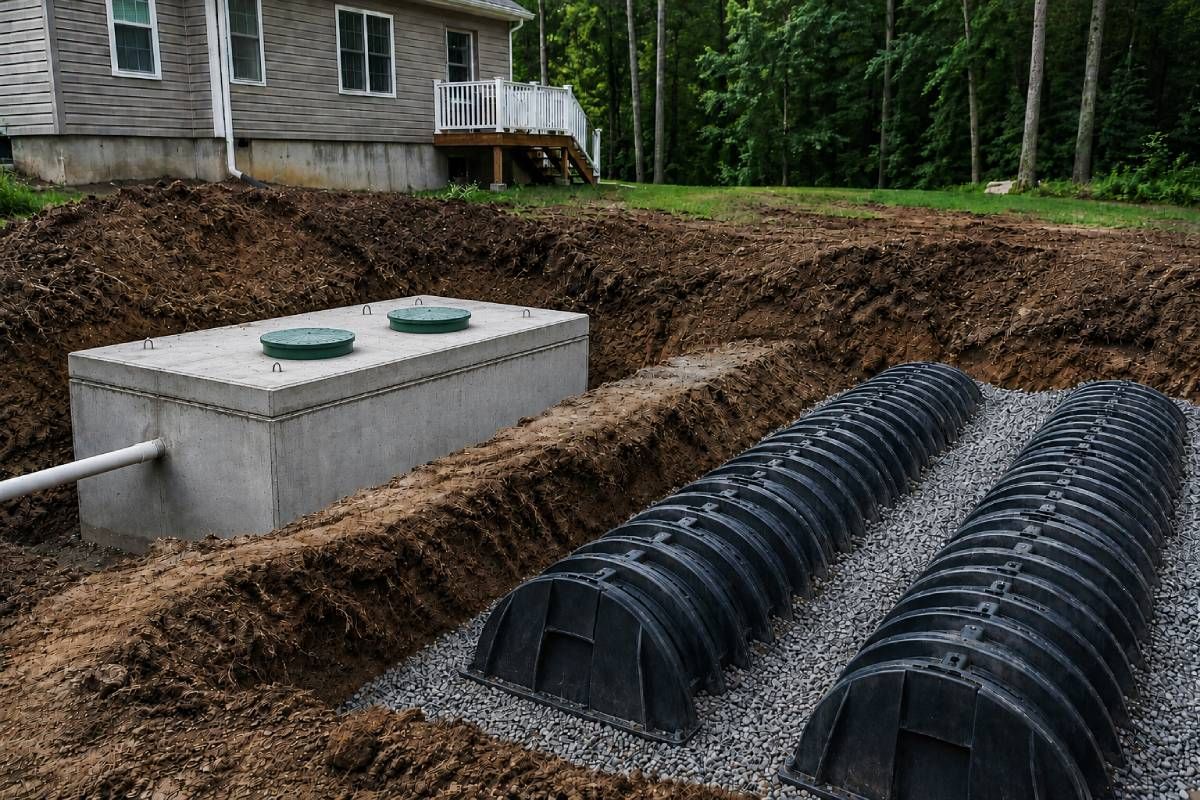
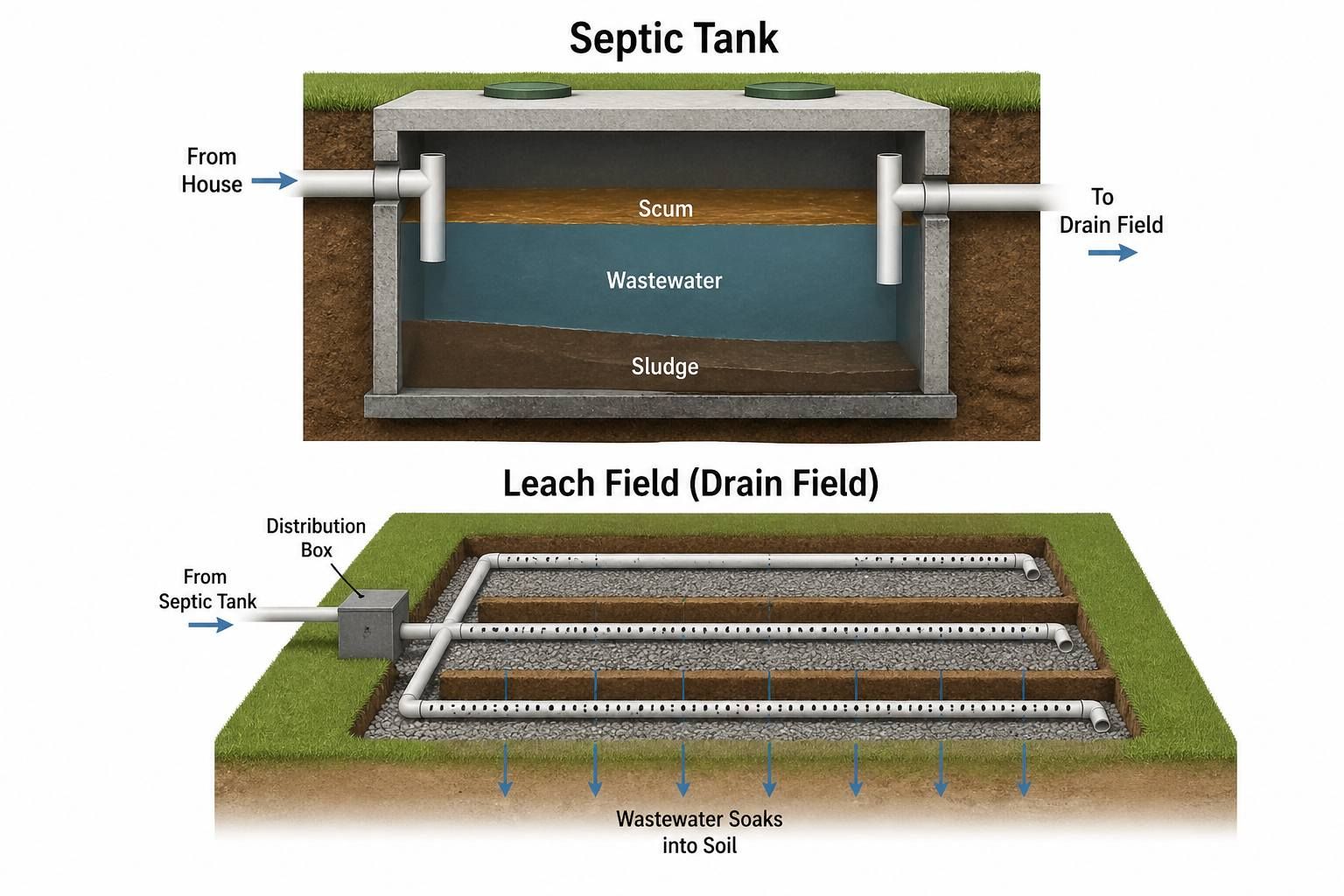
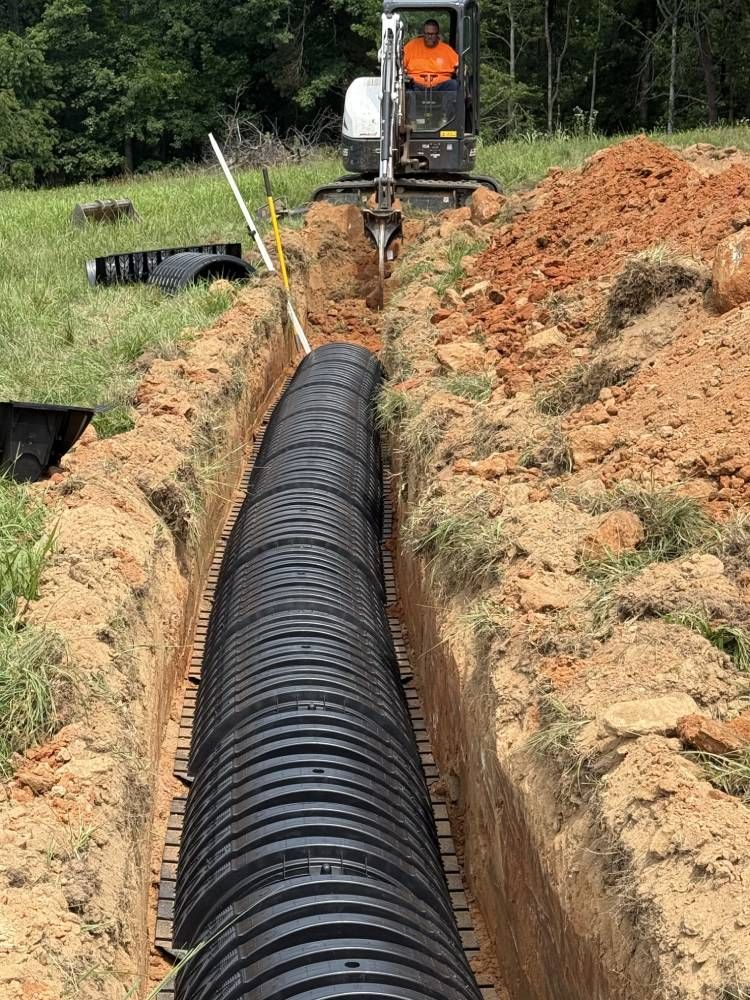
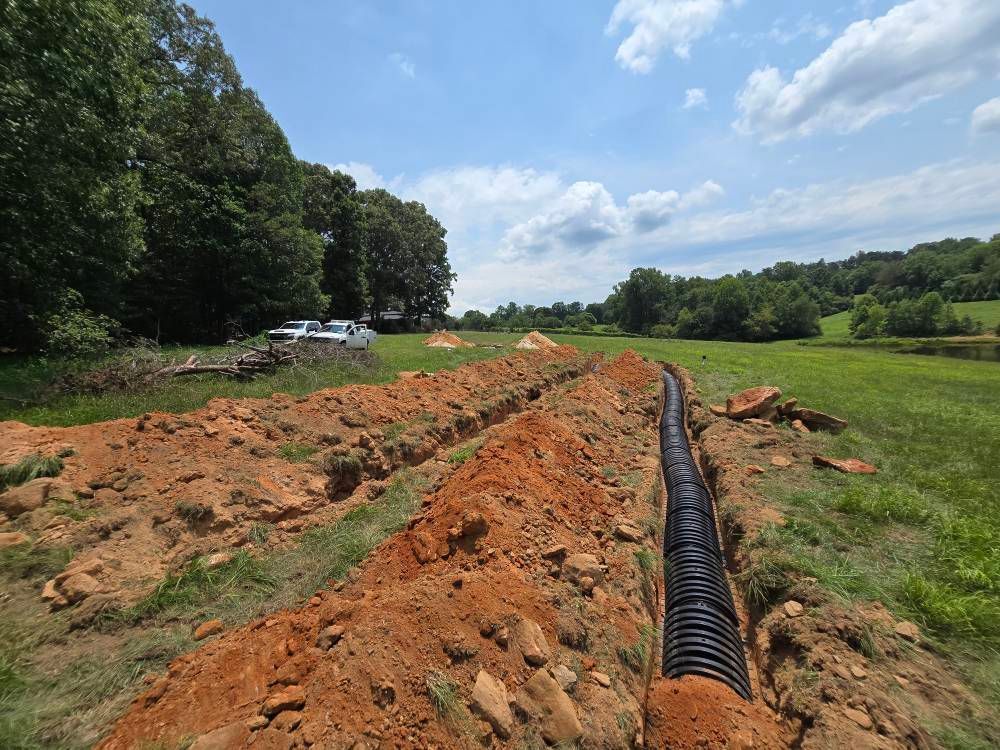
Installation involves excavating tank and drain field locations, placing tanks at depths that allow gravity flow from the house, installing distribution lines at grades that spread effluent evenly across the absorption area, and backfilling with materials that support the system without compacting soil needed for wastewater treatment. Repair work addresses tank failures, broken distribution lines, saturated drain fields that no longer absorb effluent, and system components that have reached the end of their functional lifespan and must be replaced to restore reliable wastewater management.
Schedule a septic evaluation to identify system problems or plan installation requirements for new construction projects.
Why Proper System Design Works for Long-Term Performance
Septic system design begins with soil testing to determine absorption rates, which affect drain field size and configuration needed to process household wastewater without saturating the soil. Tank sizing depends on daily water use and occupancy, with larger households requiring greater capacity to allow adequate settling time before effluent enters the drain field. Site preparation includes excavation, placement of tanks and distribution components, and restoration of surrounding areas once installation is inspected and approved by local health departments responsible for ensuring systems meet regulatory standards.
After installation or repair completes, wastewater drains normally from fixtures without backups, the drain field remains dry on the surface without wet spots or odors, and the system processes waste without requiring frequent pumping beyond normal maintenance intervals. Property owners will notice that plumbing functions reliably, outdoor areas near the drain field stay dry even after heavy household water use, and the system operates without signs of overload or failure that previously caused problems.
Installation includes excavation, system placement, and site restoration, but does not cover ongoing maintenance such as tank pumping, which property owners must schedule separately based on household size and system capacity. Some properties require advanced treatment components or alternative drain field designs if soil conditions, high water tables, or limited space prevent use of conventional systems. Repair scope depends on whether the problem involves isolated component failure or systemic issues requiring full replacement to achieve reliable operation.
What Property Owners Usually Ask
Homeowners and property developers frequently ask about installation timelines, system lifespan, and how soil conditions affect septic system design and performance in rural areas where municipal sewer connections are unavailable.
What determines septic system size and design?
Household occupancy, daily water use, and soil absorption rates established through percolation testing determine tank capacity and drain field dimensions needed to process wastewater without overloading the system or saturating the absorption area.
How do soil conditions affect system installation?
Clay soils absorb water slowly and may require larger drain fields or alternative designs, while sandy soils absorb quickly but offer less filtration, affecting both system layout and the treatment approach needed to protect groundwater quality in Connelly Springs where soil types vary across properties.
When should a failing system be repaired versus replaced?
Isolated component failures such as broken distribution lines can often be repaired, but systems with saturated drain fields, undersized tanks, or outdated designs that do not meet current standards typically require full replacement to restore reliable function and regulatory compliance.
Why does system placement matter for long-term performance?
Tanks and drain fields must be located away from wells, property lines, and areas with high water tables to prevent contamination and ensure adequate soil depth for wastewater treatment, while also considering future property improvements that might conflict with system components.
What happens during a septic evaluation?
Evaluation includes inspecting tank condition, testing drain field absorption capacity, reviewing system design relative to current household use, and identifying failures or deficiencies that affect performance, providing the information needed to determine whether repair or replacement is appropriate.
Boyd Property Solutions provides septic system installation and repair for residential and rural properties throughout the area, helping property owners maintain reliable wastewater management through properly designed and functioning systems. Arrange a septic consultation to discuss system needs based on property conditions and household requirements.