
Access Built for Daily Traffic
Driveway Installation in Connelly Springs for new construction, property improvements, and sites requiring reliable vehicle access
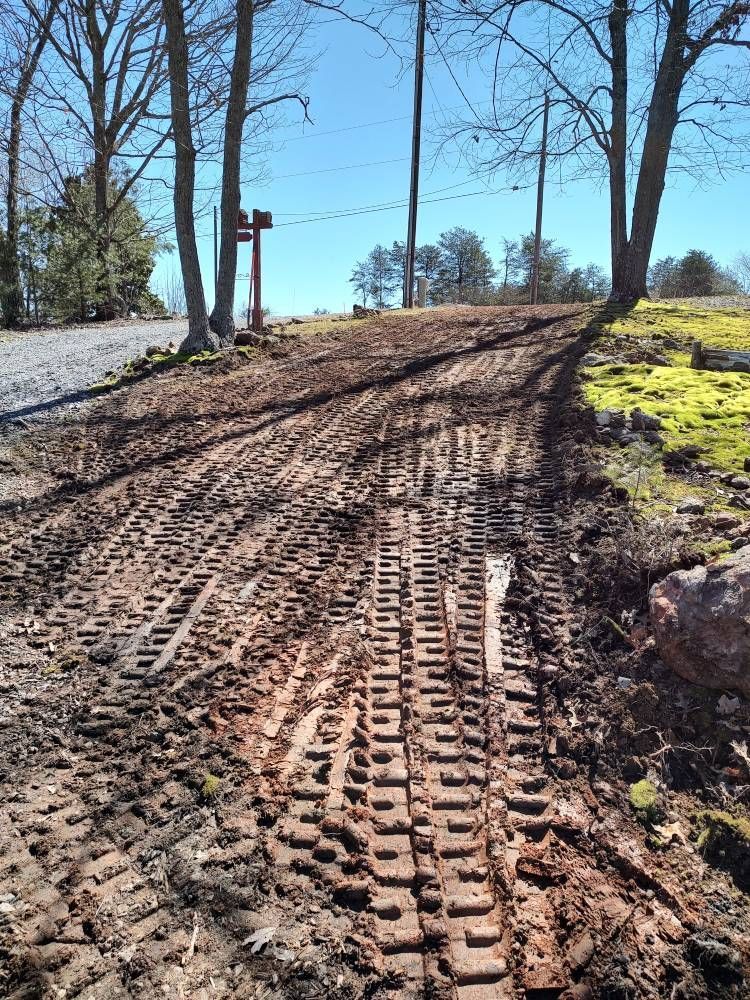
Properties without proper driveway access face ongoing challenges with vehicle damage, limited usability during wet weather, and difficulty receiving deliveries or service vehicles. Boyd Property Solutions installs new driveways for residential, agricultural, and commercial properties in Connelly Springs, constructing access routes designed to handle regular traffic and drain properly year-round. Muddy ruts, flooded low spots, and eroding tracks signal that a property needs a graded and surfaced driveway rather than informal vehicle paths.
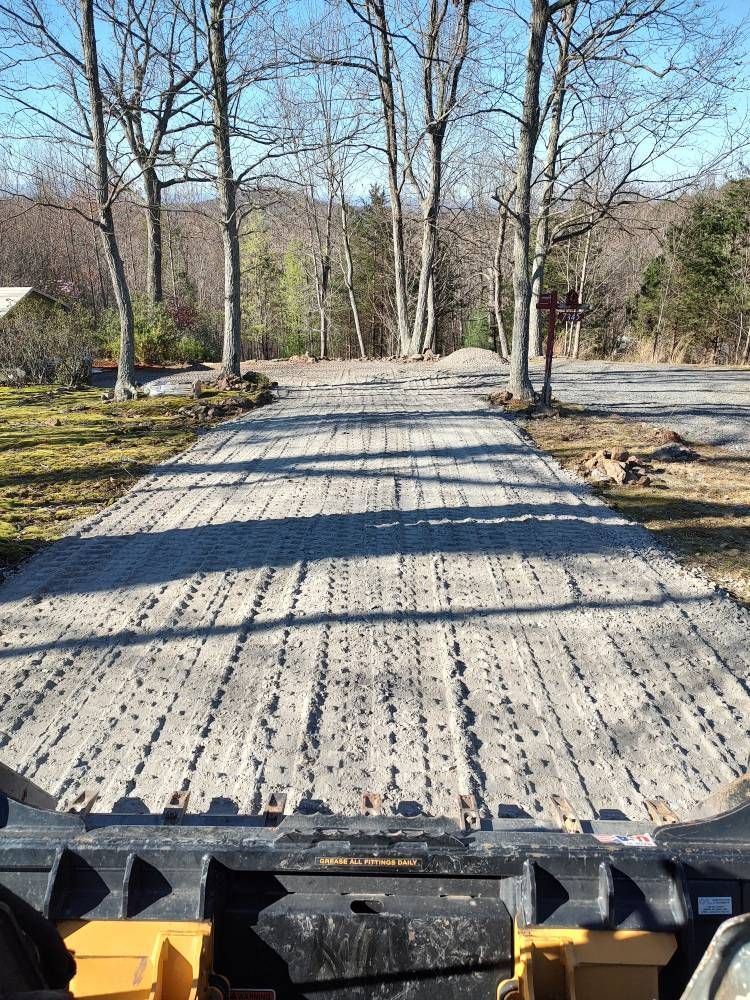
Installation begins with site grading that establishes proper slope for water drainage away from the driving surface and toward designated runoff areas. Base preparation involves compacting subgrade soil and adding aggregate layers that distribute vehicle weight and prevent settling. Surface material selection considers traffic volume, with gravel driveways providing cost-effective durability for most residential and farm applications. Attention to drainage during installation prevents washouts and extending surface life significantly.
Request a driveway consultation to discuss access requirements and site conditions affecting installation.
What Changes After Installation Completes
Proper driveway construction transforms property access by eliminating the mud, ruts, and water pooling that make unpaved tracks difficult to use. The grading process establishes a crowned or sloped surface that sheds water rather than collecting it, and compacted base layers prevent the settling and rutting that develop when vehicles travel over unprepared ground. Site conditions including soil type, slope, and drainage patterns all affect how the driveway is constructed and what base depth is required for long-term performance.
Once installation is finished, vehicles travel to and from the property on a firm surface that remains passable during rain and doesn't develop ruts from repeated traffic. Water drains off the driveway surface and flows to designated areas instead of pooling in the travel path or eroding the roadbed. The driveway maintains its crown and grade rather than settling into low spots, and gravel stays in place instead of being pushed aside by tires. Access remains consistent year-round without seasonal impassability.
Driveway installation includes decisions about width, turning radii, and surface depth based on the vehicles that will use the access route regularly. Agricultural properties need wider driveways to accommodate equipment, while residential driveways are sized for passenger vehicles and occasional delivery trucks. Boyd Property Solutions designs driveways to match intended use while addressing drainage challenges specific to each site.
Questions Before Starting Your Project
Property owners planning new driveways often need guidance on installation requirements, material options, and site-specific considerations that affect driveway performance.
What site preparation is required before driveway installation?
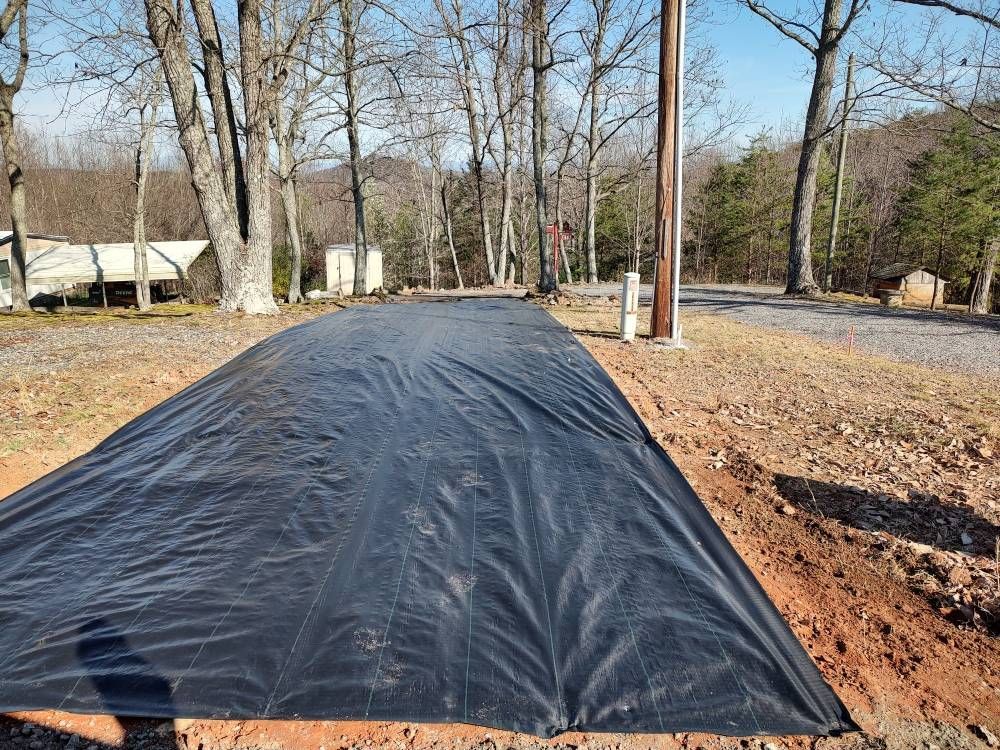
Vegetation and topsoil are removed from the driveway path, the subgrade is graded to proper slope, and low areas are filled to establish consistent elevation. Sites with poor-draining soil may require additional base depth or geotextile fabric to prevent surface material from sinking into soft subgrade over time.
How does drainage affect driveway installation in Connelly Springs?
North Carolina's rainfall patterns require driveways to shed water quickly to prevent washouts and surface deterioration. Installation must account for where water will drain, ensuring runoff doesn't flow toward structures or create erosion in adjacent areas. Culverts or cross-drainage may be needed on sloped properties.
What factors determine appropriate driveway width?
Single-lane residential driveways typically run 10 to 12 feet wide, while properties requiring two-way traffic or equipment access need 16 to 20 feet. Turning areas and parking spaces require additional width, and narrow sections can create bottlenecks that limit usability.
How deep should gravel driveway base layers be installed?
Base depth depends on soil conditions and traffic loads, with typical residential driveways requiring 6 to 8 inches of compacted aggregate over prepared subgrade. Properties with clay soil or heavy vehicle traffic may need deeper base sections to prevent rutting and settling. Proper compaction matters as much as depth for long-term performance.
What distinguishes a driveway that lasts from one that fails quickly?
Driveways fail when drainage is inadequate, base preparation is insufficient, or grading doesn't maintain proper slope. Properly installed driveways drain water effectively, resist rutting under traffic, and maintain their surface material without frequent replenishment. Attention to site-specific conditions during installation determines long-term durability.
Boyd Property Solutions constructs driveways that provide reliable property access while managing drainage and site conditions common to this region. Schedule a site evaluation to discuss your access needs and review driveway options suited to your property.